FIELD SUPPORT FOR MILLING & DISPERSION
Keep Your Media Mill Running Like New
Our field technicians bring deep expertise in media milling and mixing—helping you prevent failures, improve uptime, and extend equipment life.
Whether it’s troubleshooting or proactive tuning, we’ve got your back.
FOR WET GRINDING, DISPERSING AND MIXING
-
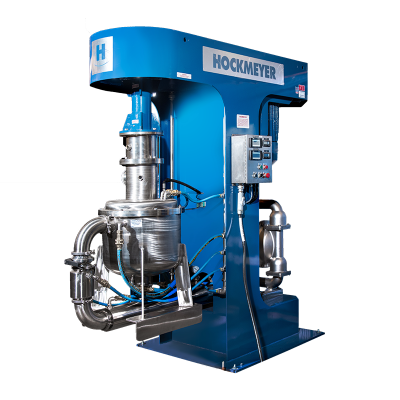
Milling Technology
Achieve optimal and efficient particle size reduction and a tight size distribution with immersion and recirculating mills that achieve outstanding results in a fraction of the time of other milling methods.
View Milling Technology
-
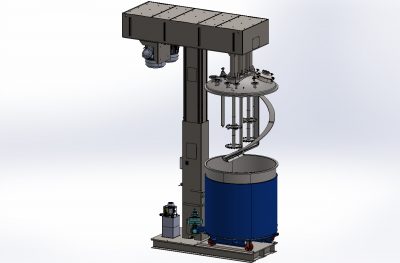
High Viscosity Mixers
Hockmeyer mixers are renowned for being robust and versatile machines that consistently generate a strong return on investment year after year. For the most demanding applications, we will customize a mixer to your needs for maximum efficiency and productivity.
View High Viscosity Mixers
-
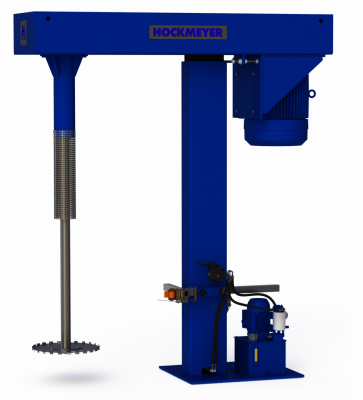
Dispersers and Agitators
Attain a more uniform mix, deagglomerate, disperse, and let-down, while keeping your solutions and slurries homogenized with our line of powerful dispersers and agitators.
View Dispersers and Agitators
-
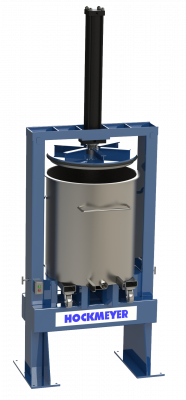
Discharge Presses
Designed for heavy-duty manufacturing applications, our discharge presses are ideal for reducing labor costs while maintaining product quality during product evacuation or transfer. No more scooping or scraping, the press will remove the material from the tank while wiping down the interior walls.
View Discharge Presses
-
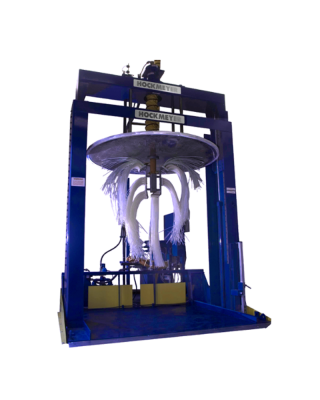
Vessel Washer
Effectively and efficiently clean any size tank, tote, or drum in your facility while reducing labor costs and time-to-clean. The CMX-200 will clean your tanks in a fraction of the time vs. manual cleaning; often in 5 to 15 minutes!
View Vessel Washer
-
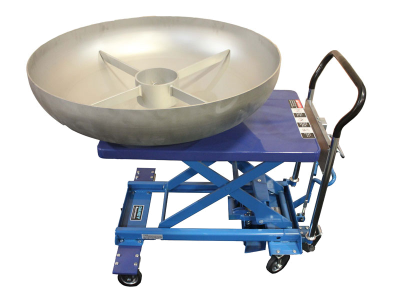
Accessories
From tanks to blades, we provide a wide range of options designed to expand and enhance the functions of your mixing, milling, and dispersion equipment.
View Accessories
-
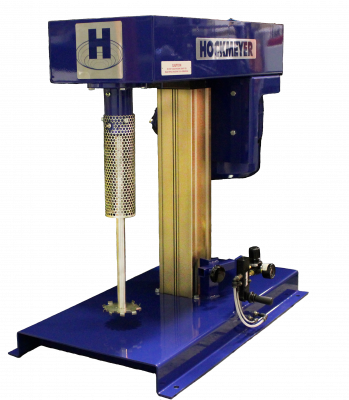
Lab Pilot Equipment
Created with flexibility in mind, take your products from benchtop to factory floor with our versatile line of lab mills and mixers.
View Lab Pilot Equipment


Test Your Product Free. Schedule a Test Today!
At Hockmeyer, we're committed to making your product the highest quality possible, whether you need milling, mixing, dispersion or agitation. Schedule your product to be tested in one of our demo machines and see the Hockmeyer difference for yourself.
About Hockmeyer
CUSTOMIZED MILLING AND DISPERSION EQUIPMENT. BECAUSE YOUR NEEDS ARE UNIQUE.
Hockmeyer Equipment Corporation has been providing process solutions for over 90 years. A leader in the wet grinding and dispersion industry offering custom-designed equipment of the highest quality available. Our goal is to increase the profitability of our customers through continuous innovations in process technology.
Testing, Parts & Maintenance
Stock Machines & Tanks NEW & USED
Our dedication to customer satisfaction doesn’t stop with the purchase.
Field Training & Support
Hockmeyer is dedicated to providing best-in-class support to maintain the lifespan and efficiency of your Hockmeyer equipment.
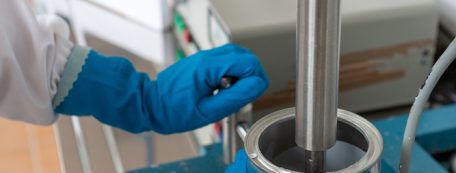
Customer Testing-Applications Lab
Don’t trust promises, trust results! Hockmeyer offers it’s Customer Service Laboratory to show you exactly how our equipment will increase your product quality and efficiency!

News & Articles
-
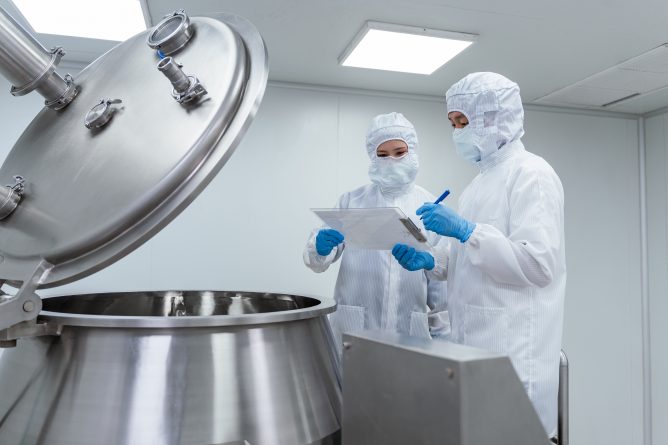
Industry Information
Cross-Contamination Prevention in Multi-Product Facilities
-
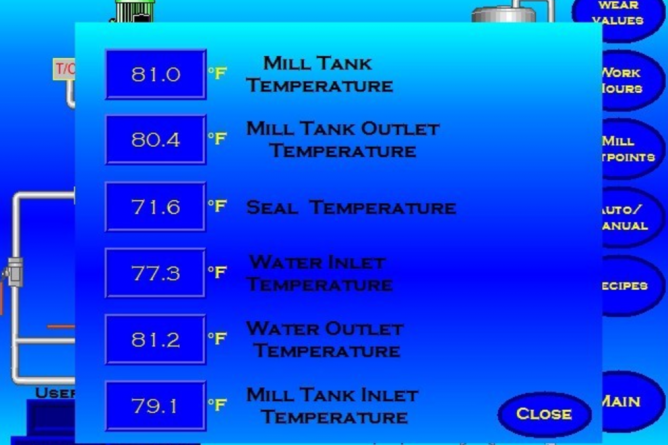
Dispersers and Immersion Mills
Temperature-Regulated Dispersions: Why Heat Control Matters in Wet Grinding
-
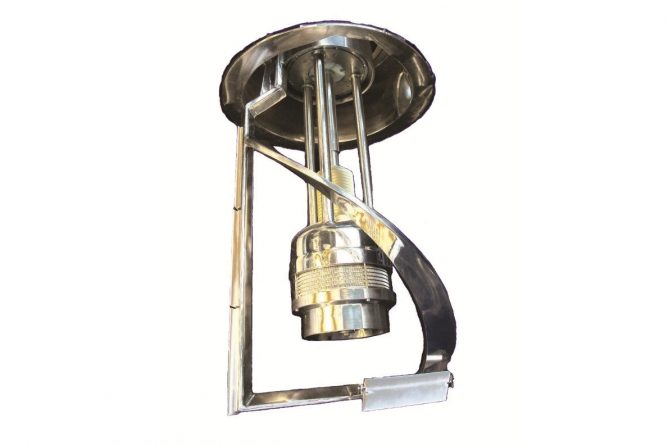
Industry Information, Dispersers and Immersion Mills
Sweep Blade Technology: Optimizing Heat Transfer in High-Viscosity Mixing


